info@forwarddigitalmarketing.com

912-530-8346

Category: Forward Digital Marketing

  • Google Ads 101 for Small Business: What It Is, What It Costs, and Whether You’re Ready in 2026

    Google Ads 101 for Small Business: What It Is, What It Costs, and Whether You’re Ready in 2026

    9–13 minutes

    Every time someone searches for your service near them, a Google Ad decides who shows up first. It doesn’t have to be your competitor… but right now, it might be.

    Google Ads in 2026 looks very different from even a year ago. The platform has been through significant changes — more AI, more automation, new requirements, and retiring features. For small business owners who’ve been curious but confused about paid search, this guide cuts through the noise and gives you the straight forward breakdown you actually need before spending a single dollar.

    We’ll cover what Google Ads are, what’s changed in 2026, what they cost, and honestly… when they’re not the right move for your small business.

    Quick Take

    • Google Ads places your business at the top of search results when someone is actively looking for what you offer.
    • You only pay when someone clicks — not just when someone sees your ad.
    • The platform changed significantly in 2026 — AI now writes your ad copy, new campaign types are replacing old ones, and Google Business Profile verification is now required for Local Services Ads.
    • A realistic starting budget for a local campaign is $300–$500 per month — but only if your website is ready to convert the traffic.
    • Google Ads is not right for every business at every stage — and this guide tells you honestly when to wait.

    At Forward Digital Marketing, we work with small businesses across Southeast Georgia and beyond who want their marketing dollars to do real work — not just create activity. Google Ads, when set up correctly, is one of the most targeted investments a local business can make. When it’s not set up correctly, it burns budget fast. We help our clients know the difference.
    What Google Ads Actually Are — The Basics

    When you search for something on Google, you’ll notice some results at the very top have a small “Sponsored” label. Those are Google Ads. Businesses pay to appear there when someone searches for specific keywords related to their products or services.

    The key difference between paid results and organic results: organic rankings take months of SEO work to build. Google Ads can put you at the top of the page today. You pay when someone clicks — not just when someone sees your ad. You set a daily budget, you control who sees your ads, and you can pause or stop anytime.

    For local service businesses in your small town — contractors, insurance agents, real estate professionals, restaurants, medical practices — this “pay per click” model means you’re spending money on people who are actively interested in what you offer, not just scrolling past.

    What Changed in 2026… And Why It Matters for Small Businesses

    This is the section most Google Ads guides skip. The platform looks very different in 2026 than it did even 18 months ago. Here’s what every small business owner running or considering ads needs to know right now.

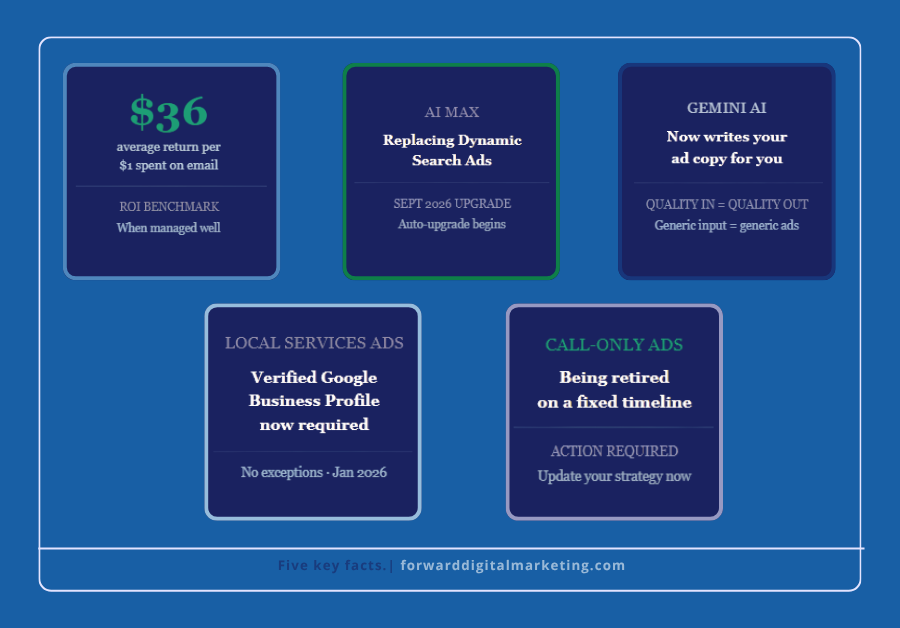
    AI Max is replacing older campaign types. Starting in September 2026, legacy features like Dynamic Search Ads will automatically upgrade to AI Max — Google’s new AI-powered search feature that automatically matches your ads to relevant searches and customizes your ad copy in real time. For small advertisers with limited keyword lists, AI Max can expand reach significantly. But it requires proper setup and active oversight to work in your favor rather than against your budget.

    Gemini AI now writes your ad copy. Google’s Gemini AI generates ad headlines and descriptions inside the Google Ads interface. The quality of what it produces depends entirely on the quality of what you put in. Generic business descriptions produce generic ads. Clear, specific descriptions of your services produce ads that actually convert. What you tell Google about your business directly affects the results.

    Performance Max is Google’s default recommendation. Performance Max is a single campaign type that spans Search, Display, YouTube, Gmail, and more. When set up correctly with strong assets and meaningful conversion data, it can be powerful. When it’s not set up correctly, it distributes budget across channels you’d never consciously choose with very little visibility into where the money went. For most small businesses just starting out, a standard Search campaign is a safer, more controllable starting point.

    Call-only ads are being retired. If your strategy relied on phone-call-focused ads, this is your signal to update your approach now rather than scramble later when the retirement is complete.

    Google Business Profile verification is now required for Local Services Ads. As of 2026, only businesses with a verified Google Business Profile can run Local Services Ads. If yours isn’t verified and complete, that needs to be fixed first… no exceptions.
    What Does It Actually Cost?

    This is where most small business owners either overestimate or underestimate — and both mistakes are costly.

    In 2026, Google Ads rewards businesses that focus on buying intent instead of vanity traffic. High-intent keywords — specific searches from people ready to act — bring better leads, stronger conversion rates, and lower wasted spend than broad, generic keywords targeting large audiences.

    For local service businesses in a smaller market like Southeast Georgia, cost-per-click for specific local keywords is typically lower than in major metros. A realistic starting budget for a local campaign is $300–$500 per month — enough to gather meaningful data and see real results if the campaign is properly structured.

    What that budget cannot do: broad, unfocused campaigns targeting vague keywords across a large geographic area. The honest math: a $400/month Google Ads budget for a local plumber or insurance agent that generates two or three qualified leads per week is an exceptional return. The same budget spent on broad keywords with no strategy is money gone with nothing to show for it.

    Is Google Ads Right for YOUR Small Business Right Now?

    Here’s the checklist we use with every client before recommending paid search. Be honest with yourself as you go through it.

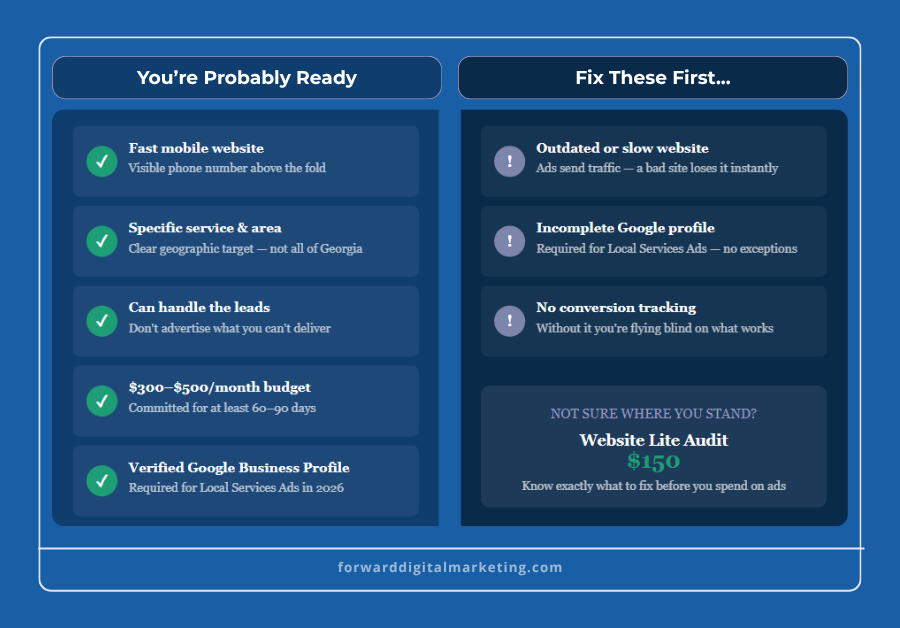
    You’re probably ready if:

    • Your website loads fast on mobile and has a clear phone number visible immediately
    • You have a specific service with a specific geographic area you want to target
    • You can handle the leads — don’t advertise what you can’t deliver
    • You have a realistic budget of at least $300/month to commit for 60–90 days
    • Your Google Business Profile is verified and complete

    Fix these first if:

    • Your website is outdated, slow, or hard to use on a phone — paid traffic sent to a weak site is wasted money every time
    • Your Google Business Profile is incomplete or unverified — this is now a hard requirement for Local Services Ads
    • You don’t have conversion tracking set up — without it, you have no visibility into what’s actually working
    The Most Common Google Ads Mistakes Small Businesses Make

    Sending paid traffic to your homepage. Your homepage is for everyone. Your ad landing page should speak directly to the person who clicked your specific ad. A mismatch between what the ad promised and what the page delivers kills conversions and raises your costs.

    Setting it and forgetting it. Google Ads works when it’s managed with intention. It doesn’t work when it runs on autopilot with Google’s AI making all the decisions unchecked. Review your campaigns weekly at minimum — especially in the first 90 days.

    Targeting too broadly. “Plumber Georgia” is a waste of budget for a Jesup plumber. “Emergency plumber Jesup GA” is a customer ready to call. Specific beats broad every time in local paid search.

    Ignoring negative keywords. These are the search terms you tell Google to never show your ad for. Without a negative keyword list, you can end up paying for clicks from people searching for things completely unrelated to your business.

    Trusting all of Google’s default settings. Many of Google’s defaults are designed to maximize spend, not maximize your return. Know what you’re turning on — especially with AI Max and Performance Max — before you flip that switch.

    Google Ads vs. Facebook Ads — What’s the Difference?

    A question we get often from local business owners: should I run Google Ads or Facebook Ads?

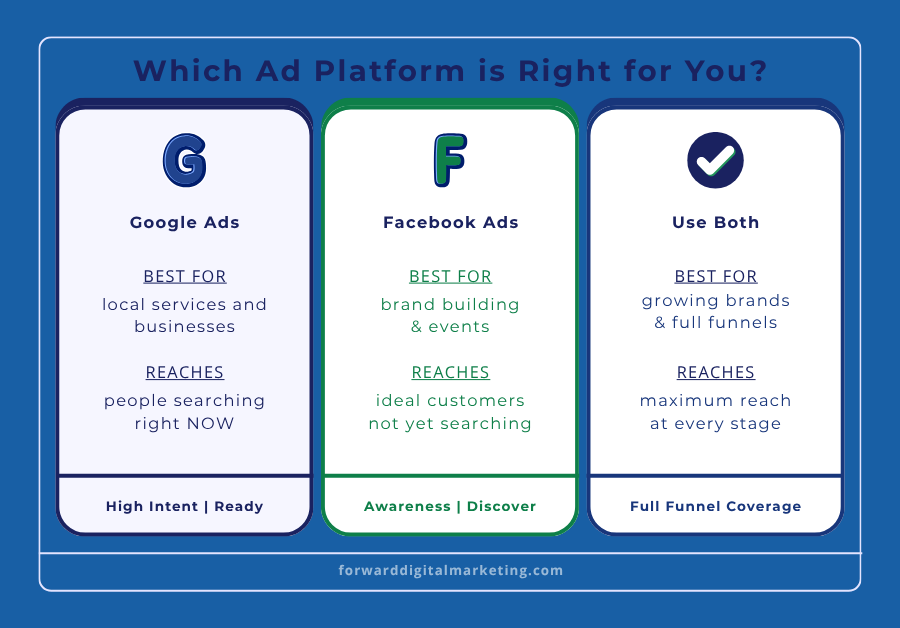
    The honest answer depends on your goal. Google Ads reaches people actively searching for what you offer right now — high intent, ready to act. Facebook Ads reaches people who match your ideal customer profile but aren’t searching yet — good for awareness and brand building.

    Both work. Neither is wrong. The right one depends on where your business is right now and what you’re trying to accomplish. Most established businesses eventually use both — search ads to capture demand, social ads to build it.

    One more thing worth knowing: as of early 2026, OpenAI confirmed it is testing ads within ChatGPT for US users. Small businesses cannot directly purchase ChatGPT ads yet, but the paid advertising landscape is expanding beyond Google. Another reason why your website foundation and online presence matter more than ever — AI tools draw on publicly available web data when answering questions about local businesses and services.

    Frequently Asked Questions

    Most campaigns need 2–4 weeks of data before Google’s algorithm fully optimizes delivery. You may see clicks and leads in the first week, but meaningful performance data takes at least a month. Campaigns that are paused too early — before enough data is collected — never reach their potential. Commit to at least 60–90 days before evaluating results.

    Not necessarily — but you do need a realistic one. For local service businesses in Southeast Georgia, $300–$500 per month is a workable starting point for a tightly targeted campaign. Less than that and you won’t collect enough data to optimize effectively. The budget isn’t the only factor — a well-structured $300/month campaign will outperform a poorly structured $1,000/month campaign every time.

    Standard Google Ads are pay-per-click and appear at the top of search results. Local Services Ads appear above standard ads, show your business name, rating, and a “Google Guaranteed” badge, and you pay per lead rather than per click. Local Services Ads require verification through Google — including a Google Business Profile — and are currently available for specific service categories. For qualifying businesses, they can deliver very high-quality leads at a lower cost per acquisition than standard search ads.

    You can manage Google Ads yourself, and Google makes it easy to get started. The challenge is that easy to start doesn’t mean easy to optimize. The platform’s defaults favor Google’s revenue, not your return. Many businesses spend months on self-managed campaigns that are technically running but not performing — and they don’t know why. Working with someone who manages campaigns regularly means you’re not paying for the learning curve out of your marketing budget.

    Your ads stop showing immediately and you stop being charged. Any data collected stays in your account. If you restart, campaigns typically need a short re-optimization period — especially AI-managed campaigns that rely on historical data. Pausing for a short period is fine. Stopping and restarting repeatedly disrupts the algorithm’s learning and reduces performance.

    Yes — without exception. Google Ads drive traffic. Your website converts that traffic into calls, inquiries, and customers. If your homepage doesn’t clearly communicate what you do, load quickly on mobile, or make it easy to contact you, every dollar you spend on ads is partially wasted. Fix the foundation first, then invest in driving traffic to it.

    What to Do Next

    Google Ads works for small businesses in 2026 — but it works when it’s intentional, properly structured, and actively managed. Here are three places to start depending on where you are right now.

    Check your foundation

    Before running any ads, make sure your website is ready to convert the traffic you’ll be paying for. Check mobile speed, verify your Google Business Profile, and confirm your phone number is visible above the fold.

    Get a website audit first

    Our Website Lite Audit ($150) reviews your site page by page and gives you a prioritized action list — so you know exactly what to fix before spending money on ads. It’s the most practical first step for businesses considering paid search.

    Talk to us — free

    Not sure if Google Ads is right for your business right now? We’ll tell you honestly — and if the answer is not yet, we’ll tell you what to do first. Free 15-minute consult, no pressure.

    Get Digital Marketing Headlines Found for YOU!

    We don’t spam! Read more in our privacy policy

  • When a DIY Website Starts Holding Your Business Back (And How to Know It’s Time to Upgrade)

    When a DIY Website Starts Holding Your Business Back (And How to Know It’s Time to Upgrade)

    4–6 minutes

    A DIY website can only take your business as far as it was built to go. What worked when you started may be what’s holding you back now.

    Many small businesses, nonprofits, and municipalities start with a DIY website for good reasons. It’s affordable, fast to launch, and puts control directly in your hands. For a while, that’s enough.

    But expectations have changed. Websites are no longer just digital brochures. They are expected to load quickly, work flawlessly on mobile devices, integrate with other systems, meet accessibility standards, and support real business goals. As your organization grows, the website that once helped you get started can quietly become a limitation.

    We see this regularly when organizations invest time into marketing, social media, or outreach but hesitate to send people to their own website. The issue is rarely effort. It’s usually that the site was never built to support what the business has become.

    Quick Take

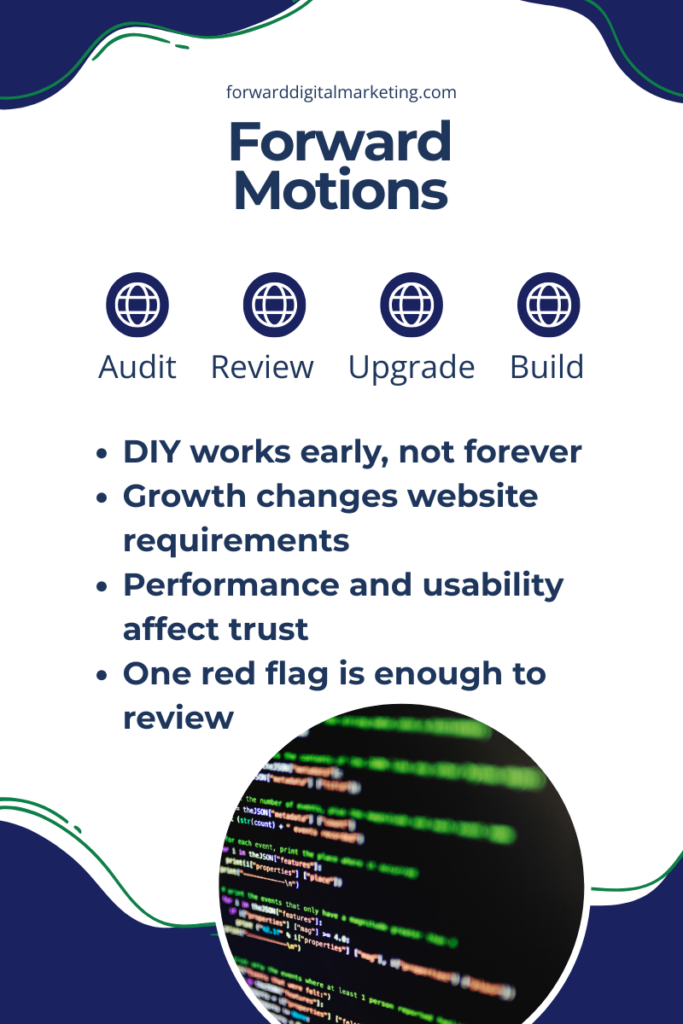
    • DIY websites work best for early-stage or low-demand use
    • Growth changes what a website needs to do
    • Poor usability and performance reduce trust
    • A site can limit progress without visibly “breaking”
    • Even one warning sign is worth reviewing

    At Forward Digital Marketing, we help small businesses make that leap from DIY to done right — ensuring your website performs, converts, and evolves with you.

    When Does a DIY Website Stop Being Enough?

    A DIY website stops being effective when it can no longer support your current traffic, user expectations, or operational needs. If the site is slow, hard to use on mobile, or difficult to update correctly, it becomes a bottleneck. This often happens gradually, which makes it easy to overlook. The key issue isn’t the platform — it’s whether the site was designed for where your organization is now.

    Your DIY Website Was Built for a Different Stage

    Most DIY sites are created to answer a simple need: “We need to be online.”
    They are not usually designed for:

    • Higher traffic volumes
    • Multiple user types with different needs
    • Ongoing content updates
    • Long-term scalability

    As your business matures, the site often stays frozen in its original structure. Navigation becomes cluttered. Pages are added without a clear hierarchy. What once felt manageable becomes fragile and inconsistent.

    Performance and Mobile Experience Matter More Than They Used To

    User expectations have changed, especially on mobile. Slow load times, awkward layouts, and hard-to-tap buttons create friction immediately.

    Common issues we see:

    • Pages loading slowly due to bloated builders or plugins
    • Mobile layouts that technically “work” but are frustrating to use
    • Forms that are difficult to complete on smaller screens

    These issues don’t just affect user experience. They reduce engagement, trust, and search visibility.

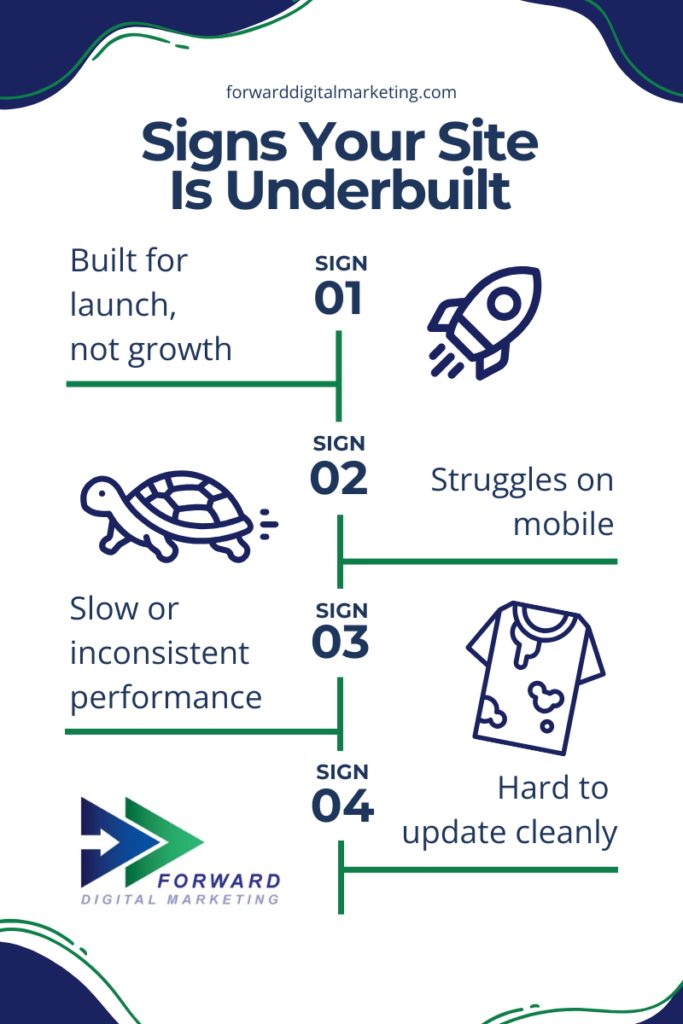
    white flyer with four signs your DIY website is underbuilt

    Your DIY Website No Longer Reflects Your Credibility

    As organizations grow, their brand expectations grow with them. A site that felt acceptable early on may now feel outdated or incomplete.

    This often shows up when:

    • You hesitate to share your website link
    • The design no longer matches your offline professionalism
    • Competitors appear more polished or easier to navigate

    Your website sets expectations before any conversation happens. When it lags behind your real-world capabilities, it creates unnecessary doubt.

    What This Means for Businesses

    A website should support your operations, not quietly work against them. When a site can’t adapt to new goals, new users, or new standards, it limits growth even if everything else is working well.

    Ignoring these signals can lead to:

    • Missed inquiries or service requests
    • Lower trust from first-time visitors
    • Wasted effort in marketing campaigns
    • Increased internal frustration managing updates

    Upgrading doesn’t always mean starting over, but it does mean reassessing structure, performance, and purpose.


    Frequently Asked Questions

    How do I know if my website is actually the problem?
    If traffic, engagement, or conversions have stalled despite other efforts, the website deserves review. Internal hesitation about sharing the site is also a strong signal. Even one clear issue is enough to investigate.

    Is a DIY website bad by default?
    No. DIY sites are useful at the right stage. Problems arise when the business grows but the site does not evolve alongside it.

    Does upgrading mean rebuilding everything from scratch?
    Not always. Sometimes the issue is structure, performance optimization, or accessibility — not the entire platform. A proper review clarifies what actually needs to change.

    What features do growing organizations typically outgrow first?
    Common gaps include mobile usability, forms and integrations, accessibility compliance, and content organization. These needs increase as traffic and expectations grow.

    How often should a website be reviewed?
    At minimum, a structural review every 1–2 years is reasonable. Major changes in services, audience, or traffic should trigger a review sooner.

    What to Do Next (Your Upgrade Path)

    At Forward Digital Marketing, we don’t treat websites as design projects alone. We treat them as systems that should support clarity, operations, and long-term growth. When a site starts to feel limiting, that’s usually a sign it’s time to step back, assess the structure, and align it with where the organization is now and where it’s going next.

    Option A: Improve What You Have

    • Speed optimization
    • Pages reorganized for conversions
    • Professional content refresh

    Option B: Migrate to a More Scalable Platform

    • WordPress benefits: ownership, customization, SEO control
    • Hosting reliability + support

    Option C: Full Redesign

    • Strategic overhaul aligned with growth goals

    Get Digital Marketing Headlines Found for YOU!

    We don’t spam! Read more in our privacy policy

  • A Great Website Matters to your Business!

    A Great Website Matters to your Business!

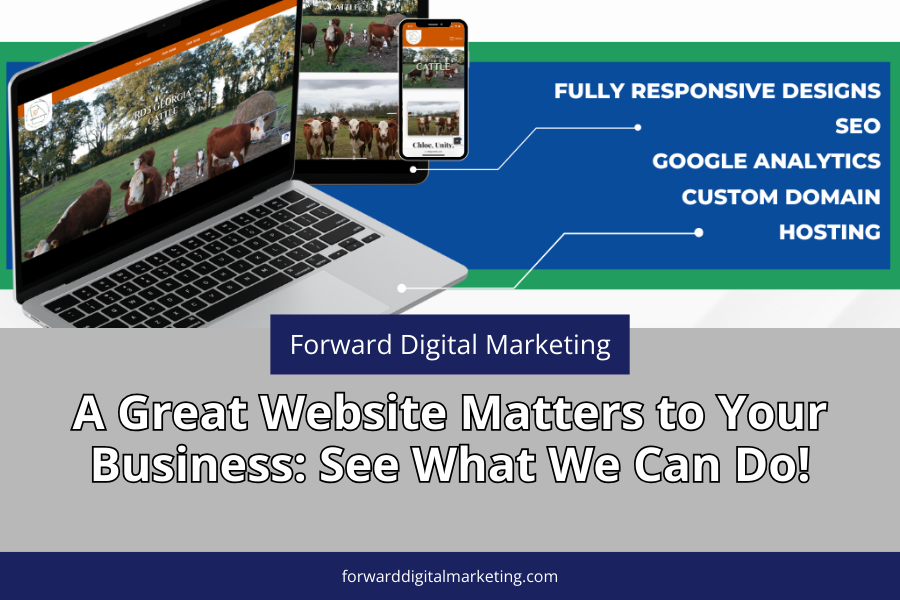
    In today’s digital landscape, your website is often the first point of contact for potential customers. It’s not just an online presence; it’s a powerful tool that can elevate your brand, engage your audience, and drive conversions. At Forward Digital Marketing, we specialize in creating tailored websites that meet the unique needs of our diverse clientele.

    Our Website Offerings

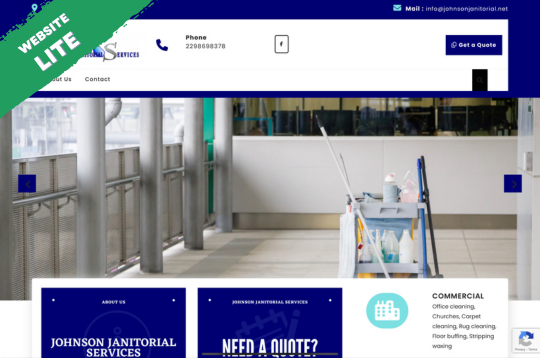
    1. Basic Websites

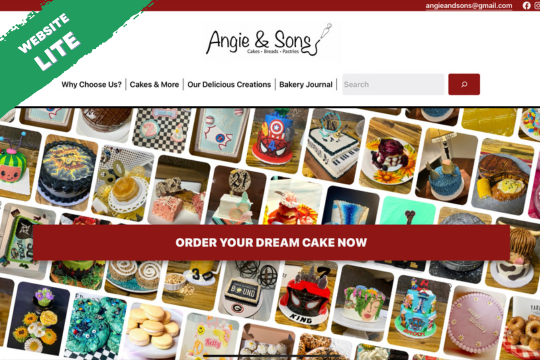
    Perfect for startups and small businesses looking to establish an online presence. These user-friendly sites are designed to showcase your brand and connect with your audience effectively.

    Angie & Sons
    Johnson Janitorial

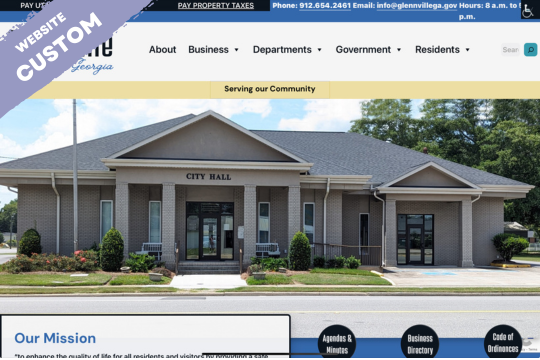
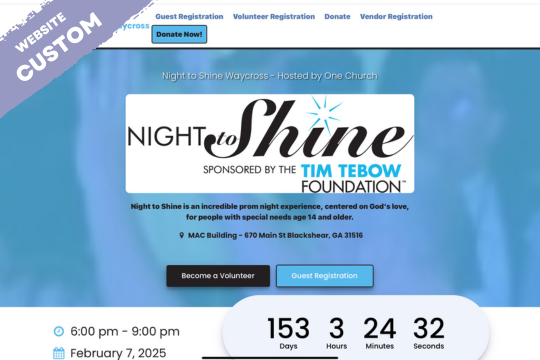
    2. Complex Websites

    For businesses with advanced needs, we develop complex websites that include custom functionalities, integrations, and tailored user experiences.

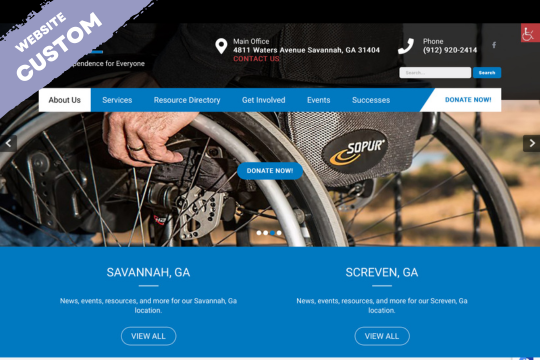
    Glennville, GA
    Night to Shine

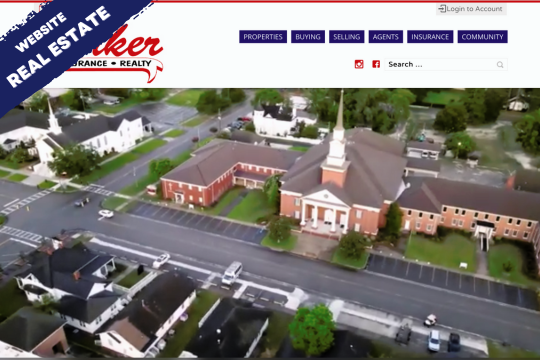
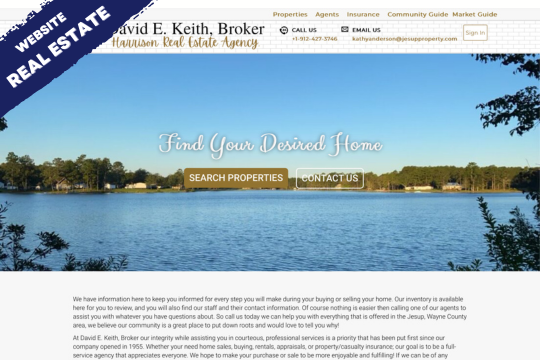
    3. Real Estate Websites

    Designed specifically for real estate agents and firms, our real estate websites feature property listings, search functionalities, and lead generation tools to help you sell homes faster.

    Harrison Real Estate Agency

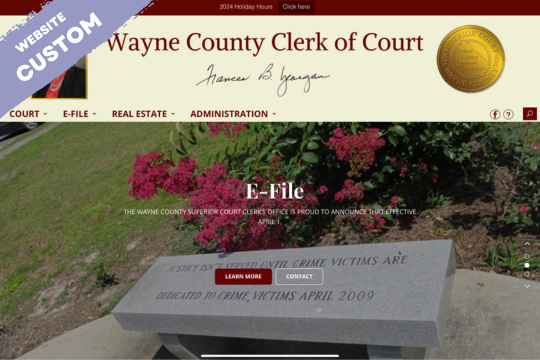
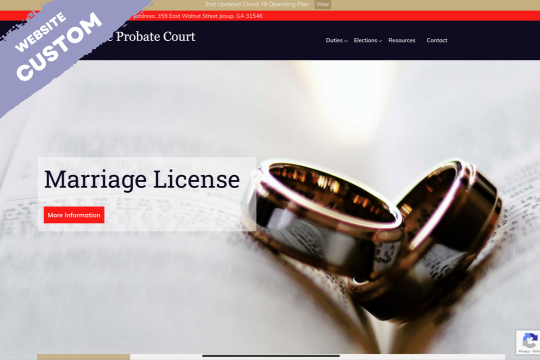
    4. Government Websites

    We understand the importance of transparency and accessibility in public service. Our government websites are built to be informative, user-friendly, and compliant with regulations.

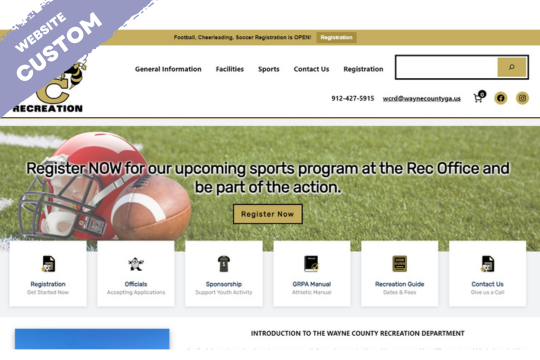
    5. E-Commerce Solutions

    Take your retail business online with our e-commerce websites. We provide secure payment gateways, inventory management, and engaging product displays to enhance the shopping experience.

    Wayne County Recreation Department

    6. Shopify Stores

    For those who prefer a powerful, easy-to-manage platform, we offer Shopify store development. Our team will help you create a stunning online shop that drives sales and keeps customers coming back.

    wild hog hunter website screenshot

    7. Business Directories

    If you’re looking to create a directory site, we can help! Our business directory websites are designed for easy navigation and robust search functionality, making it simple for users to find what they need.

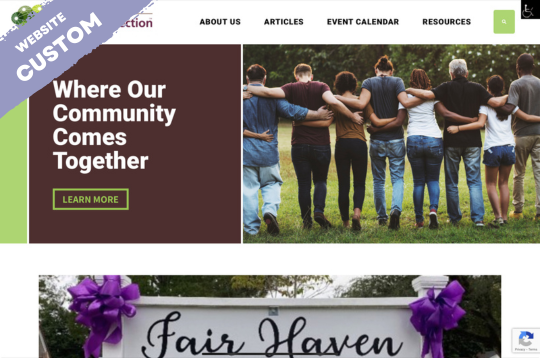
    Wayne County Family Connection

    8. Church Websites

    Connect with your congregation and reach new members with a dedicated church website. We focus on features like event calendars, sermon archives, and donation tools to enhance your ministry’s online presence.

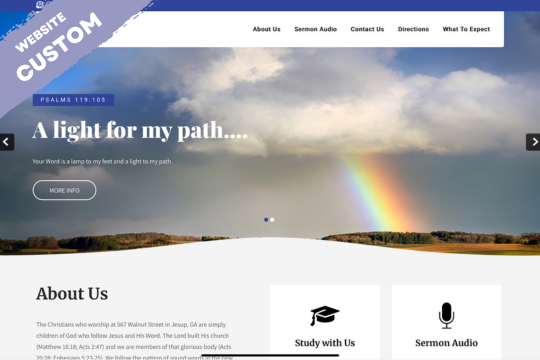
    Walnut St. CHURCH OF CHRIST

    Let’s Build Something Amazing Together!

    As we celebrate 25 years of Forward Digital Marketing, we’re excited to continue/start our journey with you. Whether you need a simple landing page or a comprehensive e-commerce platform, our expert team is here to help bring your vision to life.

    Connect with Us

    Have questions or want to start a project? Call 912-530-8346 or fill out our Contact Form!

    Stay updated on our anniversary specials and new services by following us on Facebook & Instagram!

  • Celebrating 25 Years of Forward Digital Marketing: A Journey of Innovation and Growth

    Celebrating 25 Years of Forward Digital Marketing: A Journey of Innovation and Growth

    🎉 25 YEARS and counting! 🎉

    This year marks a special milestone for us at Forward Digital Marketing: a quarter of a century in business! It’s hard to believe how much has changed since we started, but one thing has remained constant—our commitment to helping our clients succeed in the ever-evolving digital landscape.

    From the early days of dial-up internet to today’s advanced digital marketing tools, we’ve been on a remarkable journey. Over the past 25 years, we’ve navigated the waves of change in technology, growing alongside the digital world to better serve our clients. 🚀

    A Journey of Digital Transformation

    When Forward Digital Marketing was founded, websites were a novelty, and digital marketing was a concept in its infancy. Fast-forward to today, and the internet is at the core of every business’s growth strategy. We’ve evolved with the times, adopting the latest strategies, tools, and technologies to ensure that our clients remain competitive and ahead of the curve.

    From search engine optimization (SEO) to social media management, from responsive web design to comprehensive analytics, we offer a full suite of digital marketing services tailored to our clients’ unique needs. We’ve always believed that great digital marketing starts with understanding our clients’ businesses and goals—and we’re proud of the long-lasting relationships we’ve built with them over the years.

    Our Clients: The Heart of Our Success

    Our journey wouldn’t be possible without the trust and loyalty of our incredible clients. Whether it’s a small business just starting out or an established company looking to take their online presence to the next level, we’ve been honored to partner with businesses from all industries.

    At the heart of everything we do is our passion for helping our clients grow. Seeing their businesses thrive because of the digital strategies we’ve put in place is the most rewarding part of our work.

    What’s Next? The Future of Forward Digital Marketing

    Looking ahead, we are more excited than ever for the future. As technology continues to evolve, so will we. We are committed to staying on the cutting edge, constantly learning, and pushing the boundaries of what’s possible in the digital world.

    We can’t wait to see where the next 25 years take us, and we’re grateful to have you along for the ride. Here’s to more innovation, more growth, and more digital success! 🌟

    If you’d like to learn more about our story, our services, or how we can help your business thrive, feel free to visit our About Us page.

  • Eight Reasons My Small Business Need a Website?

    Eight Reasons My Small Business Need a Website?

    Here are 8 reasons why your small business and brand need a website:

    1. Google needs to know you exist!

    If Google knows who you are, then everyone will be able to know who you are! In a world that is condensed onto our digital devices, your consumers are quick to ask a search engine “find a (enter product or service) near me…” and if you are not on Google, you don’t pop up on their radar. Even if you do not host a digital shop online, you should have your business name, products/services offered, contact information, and physical location (if applicable) published online for potential consumers to find! A one-page website is a minimum for any small business or brand!

    2. You need to build credibility…

    Ever searched for a business online and couldn’t find anything about them? Did you think that was a little… SUS.? Not having a website is a big red flag for consumers and will lead to a downturn in sale conversions and a lack of trust for your brand.

    3. Your competition is already doing it.

    Your competitors are online and taking your potential consumers! Without an online presence, you cannot build your brand credibility, loyalty, or community, which means you can’t compete or sustain new conversions!

    4. Take your store everywhere!

    Sure, you may have a physical storefront, but why would you limit yourself to such a small group of customers?! Building a website allows you to create a network of consumers, suppliers, and investors that you normally would not be able to reach.

    5. It’s YOUR name on the website!

    Sure, you could put your products or services on other platforms, but who is really making the money then? After all of the fees, your net profits are desolated! Why not own your site and keep the money that is rightfully yours. Another plus is it’s your name in the URL. There is no “yourname.theotherbussinessgettingfreeadversting.com

    6. Free advertising!

    Speaking of free advertising, that’s what your site is! If you build your website correctly (or better yet, we do it right for you!) you will show up in search engine results! Showing up is just more advertising for you!

    7. It shows customers why you’re the right fit for them!

    Blogs, “about us” pages and values can all be published on your website. These little things can make a huge difference when a potential consumer is trying to decide between your brand and competitors.

    8. It shows customers what great products you sell!

    How can a potential customer know what you’re selling if you don’t show them?! Sure they could walk into your store or see your product on a friend, but allowing your consumers a place to scroll through your offerings in one place they can access anywhere will lead to more conversions and greater brand recognition!

    Bottom line…

    You’re missing out! Having your own website allows you to present your best self, stay relevant, be credible, and reach a whole new audience of potential consumers!

  • Why Your Facebook Business Page is Not Enough: Website Conversions

    Why Your Facebook Business Page is Not Enough: Website Conversions

    Your Small Business Has a Facebook Business Page, but No Website?

    Not having a website is a common blunder that will leave money on the table! Your small business needs a website no matter if you have other social media accounts… Read here about why your small business needs a website. Continue with this post to see why a Facebook Business Page is simply not enough!

    Facebook Controls Your Story… and your money!

    Facebook is an ever-evolving system of corporate and social engineers trying to take home bigger paychecks! Oftentimes, it’s you and your small business that is flipping the bill!

    Some argue that Facebook and Instagram (Meta) are “pay-to-play” systems where small businesses only gain traction after they have paid for ads. While this is a bit of a myth since organic growth is possible (though grossly slow), Meta is only growing and implementing new updates that could start to become premium add-ons!

    Why invest in Facebook when you should be investing in your own business and brand! That’s why investing in your website is more important than ever! Being in control of your content, optimizing your search engine results, and knowing that every penny spent on your website and website advertising directly benefits you is a major plus!

    Speaking of Facebook… Guess Who Else is Already There?

    Your competition! And unlike your website, there is no way to cut the competition off and redirect your potential consumers to your brand. By using social media as your only source of marketing, you are falling through the cracks. This will cause your brand to have to fight with bigger businesses for the same space. These distractions can cause you to lose out on potential customers, investors, and vendors! With a custom built website, you can tailor the content and products to fit your unique brand. Current and past customers have a place to return to, over and over, building your community on your terms!

    Start Building Your Community! You’re More than a Facebook Business Page!

    As mentioned, you may have a community following you on Facebook, Instagram, or other social media platforms; However, the pages are still saturated with other brands and businesses’ content. This could pull your consumers away! By having your very own website, you can engage your community without distractions.

    Text reads "Your Social Media Pages Are Not Websites" in white above two girls standing in forest taking a selfie with a smart phone
    A Facebook Business Page is not enough!
  • Social Media Strategy: Sharing Our Small Business Growth Hack!

    Social Media Strategy: Sharing Our Small Business Growth Hack!

    A social media strategy is important to your overall growth plan! Here are 5 key takeaways from our strategy and proof in the numbers!

    Our Social Media Strategy has led to an
    over 15000% growth on Instagram Reach!

    1. Set Your Social Media Strategy Goals!

    We love a good SMART goal for our social media strategy! Specific, measurable, attainable, realistic, and timely goals are a great way to give yourself goals with a purpose. Once you’ve laid out your goals, you can write down steps to accomplish the goal(s)! Taking baby steps is sometimes the best thing you can do, but being able to watch how those steps affect measurable factors lets your stay flexible and pivot to the best action plan!

    2. Plan, plan, plan!

    Speaking of planning, if you go into anything unprepared, you’re going to put a lot of energy into a lot of nothing! Creating content can be a chore, and a lot of small businesses don’t feel like they have the time or energy to put into it! When they do think of their social media content, it’s a last-minute, rushed task that makes the audience feel like they aren’t worth your efforts… We at Forward Digital Marketing sit down once a month to write out a very overarching plan to guide us. This plan is not rigid, but it gives us a base to build off of!

    3. … But don’t over plan!

    The reason we don’t give ourselves a hard and fast plan is because trends change fast on social media! In our monthly plan, we create a set amount of evergreen content and then leave room for trends that pop up throughout the month! Another great tip for your small business is to set “fallback” content days! Don’t know what to post on a Thursday? Have an already set theme for that day that you can quickly grab or make content for without feeling like you are starting from scratch.

    For example, we at Forward Digital Marketing have Wednesday scribbled down as “Trend Alert Wednesday!” When we do not have any content plans for that day, we can quickly default to doing a trend breakdown. This saves us a few minutes and helps keep us sane during a busy week of content making!

    4. Check Your Insights!

    Once we’ve posted anything, we check out insights! Now, we do this for a living so how often we check is going to be greater than how often you need to check! When posting content, you should always look back at the insights 24 hours and 7 days later. This will give you a better understanding of what your audience likes and does not like. If you keep posting things that are getting low engagement, your audience is going to zone you out.

    If you watch your insights and see that carousel posts are more successful with your following, then in your plan you should add more posts like that! Keeping an eye on the analytics is going to give you valuable, measurable feedback! This helps you reach your SMART goals set at the beginning of the process.

    Social Media Strategy Insights for Forward Digital Marketing
    Organic growth is growth that has NO MONEY put into advertising!

    5. Remember, It’s the Internet.

    One of the biggest takeaways with social media is that it is the internet… the internet can be a wild place full of unique personalities, robots, and ever-changing algorithms. What works one month, may not work as well the next! It can be an overwhelming place of confusion, but as long as you are putting in the time to plan and watch your insights, you’ll be more prepared to face whatever is changing! Another way to stay on top of all of the news is to follow trusted industry experts!

    Most of us are on social media personally, so why not add a few educational and helpful small business tools to your feed! Forward Digital Marketing is one to follow! We work hard to research the changes, the growing pains, the successes, and the trends so you don’t have to! We take one more thing off of your to-do list. Still, feeling overwhelmed by the idea of building and posting content monthly, weekly, or daily?! Hire us as your social media management team! We build your monthly posting schedule based on your insights and audience. You give us a few photos and we do the rest! It’s just one more way Forward Digital Marketing can serve you!

  • Weekly Canva Design Challenge 06.17.2022: Watch Our Designers get Creative!

    Weekly Canva Design Challenge 06.17.2022: Watch Our Designers get Creative!

    Weekly our graphic designers get to flex their creative muscles with the Weekly Canva Design Challenge! This fun community challenge sets a weekly theme that artists, designers, and regular people around the world get to create a graphic inspired by! This week’s design theme is travel! Here is what our team has come up with!

    To vote for your favorite, head over to Instagram to vote for your favorite design! Share the design to your story to get your friends on your side! 😉

    Canva Design One!

    Something romantic in traveling is the art collected along the way!

    Canva Design Two!

    Traveling is a goal that keeps on giving!

    What do our designers win? Right now, just bragging rights… But you should leave comments with some ideas for future competitions! 😏

    Honorable Mention: The Big Boss Had Some Fun Too!

    Who do you think takes bragging rights away this round?! Follow for weekly design challenges! Hire us for your own website and social media designs!

  • Discover if Your Website Bounce Rate is Good, Great!

    Discover if Your Website Bounce Rate is Good, Great!

    Driving traffic to your website is a worthwhile cause! But what happens once they get to your site? Do they stick around or bounce right back off, driving your bounce rate up?

    The bounce rate is the percentage of single, individual visitors to a particular website who navigate away from the site after viewing only one page. Your site’s bounce rate is an important insight that gives you a look into how engaging your site content is.

    Having a bad bounce rate could indicate there are issues within your website! It could also mean that your content is just not any good. Let’s work through the good, the great, and the could be better bounce rates and learn how to improve yours!

    Bounce Rate Defined
    Bounce Rate is Defined as “the percentage of individual visitors to a particular website who navigate away from the site after viewing only one page.” This is different from an exit rate, in which the user only leaves the page, not the site.

    What’s a Good Bounce Rate?

    A good bounce rate is based on your website’s needs, so giving an exact number is not so easy. A bounce rate between 56% to 70% is on the high end, but not the end of the world! If your website is built to drive traffic to other sites, this rate might be right where you need to be!

    A bounce rate between 25%-30% is unusually good… but it can happen! Don’t be spoiled by these numbers, because they are not easily maintained. Anything under 40%, that’s not caused by a broken Google Analytics install, is something to be very proud of! This is proof that your website is professionally built, well engaging, and meeting the needs of its users.

    Where the majority of good website bounce rates will fall is in the 35%-55% range. Once it starts to creep up towards the 60% range, it’s time to take a look at individual pages’ bounce rates and see what is causing the rate to spike.

    Forward Digital Marketing's Bounce Rates from Google Analytics on a green background. The background has the FDM logo and green triangles. Bounce rate.

    How Can I Fix My Website’s High, Climbing Bounce Rates?

    So you’re bounce rates still aren’t where you’d like them to be… Here are some things that could be affecting your bounce rate negatively:

    1. – Your Page Speed is LOW!
    2. – Annoying, Badly Designed Pop-ups
    3. Website is not User Friendly
    4. – Page, Meta Titles Are Not Optimized
    5. – Page is Blank, Loading Error
    6. – Content Lacks Quality…
    7. – Pages Aren’t Mobile-Friendly– Unnecessary Plugins
    8. – Google Analytics is not Set-up Correctly

    Slow Loading Pages:

    The most common contributor to slow loading pages are unoptimized images. If you upload a large photo to your website, just to scale it down, you could be taking up valuable bandwidth space that is slowing down your site!

    Poor Design:

    When someone enters your site, are they automatically bombarded with large pop-ups, chatbots, or screens held hostage until the user has given you something? Do six invisible videos automatically start playing with sound? Do page buttons only work when you click the text just the right way or does the text wrap in weird ways under images, making it impossible to figure out what you’re trying to tell the audience?! Though all of this may seem extreme and never done on purpose, it could be what is driving your visitors away!

    Not Mobile Friendly:

    Does your website do all sorts of back flips when a user views it with their mobile phone or tablet? The number one factor is that your website is not mobile responsive! Mobile responsive website automatically correct proportions to fit the screen it is viewed on. Rather than designing layouts that can be “scaled-down,” website designers have to think about each element individually!

    Will the text still show up and be legible? How can a user navigate to different pages? Does the mobile site have the same content as the other devices? All of this goes into creating a fully user-friendly mobile site… and which is so important when over 57% of all site visits are now through mobile devices!

    Bounce Rate and SEO

    Using correct keywords draws in the correct user! If a user is looking for rubber duckies and finds your site, which is selling pineapples, they won’t stick around very long! Maybe your page keyword is “yellow” and when that user is looking up “yellow rubber duckies,” your site pops up! It’s great that your website is found, but it is found by the wrong consumer… by doing the research and optimizing your website pages to the max, you attract individuals who are actually looking for sites like yours! This means they won’t bounce as fast because they are genuinely interested in the products, services, or information you offer.

    Bottom Line: Define Your Bounce Rate Goals and Dig In!

    The bounce rate is an important analytic to keep your eye on. It may not look like ours, your neighbors, or [insert large corporation here], but that’s because the goal of each website may be different! Be sure to set realistic goals and watch your data to figure out what works and what is driving your audience away. It might be as simple as fixing your keywords, or it could be as complicated as rebuilding poorly performing pages!

    Don’t know how to check your bounce rate? Click here so that we can help you set up your Google Analytics! After set up, you’ll be able to monitor bounce rate and way more! Already have Google Analytics set up, but don’t know where the breakdown is? Let’s run a website audit to get you the information you need to optimize!

  • Weekly Canva Design Challenge 06.01.2022: Watch Our Designers get Creative!

    Weekly Canva Design Challenge 06.01.2022: Watch Our Designers get Creative!

    Weekly our graphic designers get to flex their creative muscles with the Weekly Canva Design Challenge! This fun community challenge sets a weekly theme that artists, designers, and regular people around the world get to create a graphic inspired by! This week’s design theme is pineapple! Here is what our team has come up with!

    To vote for your favorite, head over to Instagram to vote for your favorite design! Share the design to your story to get your friends on your side! 😉

    What do our designers win? Right now, just bragging rights… But you should leave comments with some ideas for future competitions! 😏

    Design One!

    Design Two!

    Who do you think takes bragging rights away this round?! Follow for weekly design challenges! Hire us for your own website and social media designs!